
Udaipur is not a city you simply visit
Some cities impress you at first glance. Udaipur does something quieter and deeper. It stays with you. It moves through lakes that mirror the sky, palaces that seem painted onto the horizon, temple bells that rise with the morning light, and old lanes where history never truly leaves.
Known as the City of Lakes, Udaipur is often introduced through beauty alone. That beauty is real, but it is only the beginning. Beneath the reflections of Lake Pichola and the calm of Fateh Sagar is a city shaped by memory, devotion, royal ambition, artistic detail, and the long spirit of Mewar.
"I am Udaipur, the city of lakes, the poetry of palaces, and the whisper of history in every street."
That feeling captures Udaipur better than any checklist can. The city does not reveal itself all at once. It unfolds slowly. A sunrise over water. A jharokha framed in shadow. A carved temple wall glowing in the first gold of morning. A breeze that seems to carry an older story with it.
Why Udaipur feels different
What makes Udaipur memorable is the way its grand landmarks and quieter details belong to the same story. The City Palace rises above the lake like a royal dream in stone. Jagdish Temple anchors the center of the city with enduring faith. The Old City remains full of frescoed walls, artisan workshops, rooftops, havelis, and narrow passages that refuse to become lifeless heritage. Even the air feels layered with memory.
Udaipur also carries a kind of emotional contrast that few destinations hold so naturally. It is serene, but never empty. It is royal, but not cold. It is historic, yet still lived in. Travelers come for the romance of the lakes, but often remember the city for how intimate it feels once they begin walking through it.
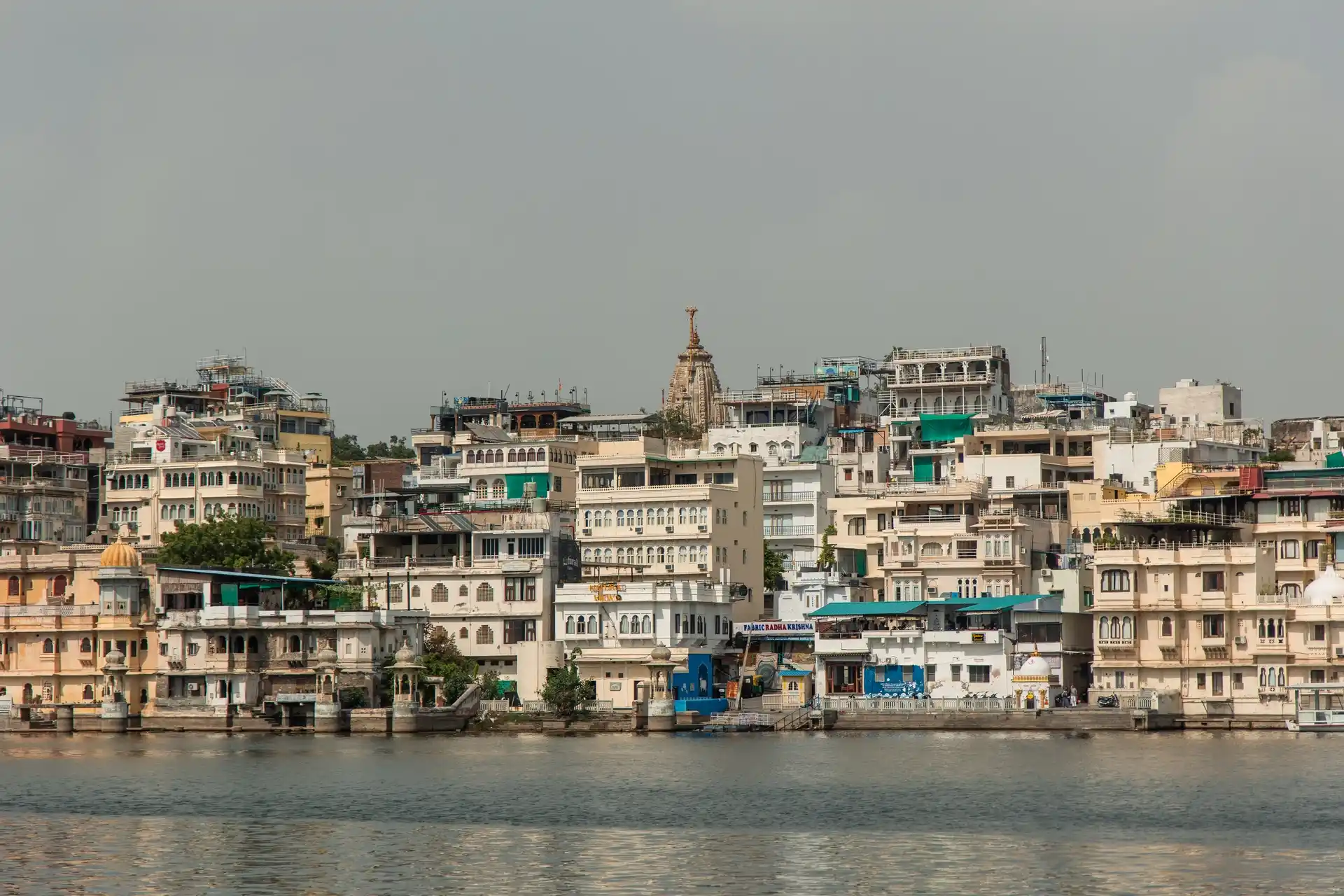
The soul of the city lives in its water and stone
To understand Udaipur, start with its relationship to water. Fateh Sagar and Pichola are not decorative backdrops. They are part of the city's identity. These lakes shape the rhythm of mornings, evenings, viewpoints, boat rides, ghats, and entire neighborhoods. Around them stand palaces, temples, gardens, and stories that have been passed across generations.
Then there is stone. In Udaipur, stone does not feel static. It carries movement. Palace corridors seem to whisper. Temple carvings feel alive with devotion. Old City facades carry the passage of time without losing their presence. You do not look at Udaipur as much as you move through it.
What to expect when exploring Udaipur
- Lake views that change by the hour: sunrise, sunset, and night each reveal a different city.
- Royal architecture: marble, mirror work, mosaics, balconies, and courtyards define the built landscape.
- Living faith: temples here are not museum spaces; they remain woven into daily life.
- Old City atmosphere: markets, chai stops, painted walls, rooftop cafés, and hidden turns matter as much as the major monuments.
- A wider Mewar story: around Udaipur lie sites of sacrifice, resilience, and royal legacy that deepen the journey.
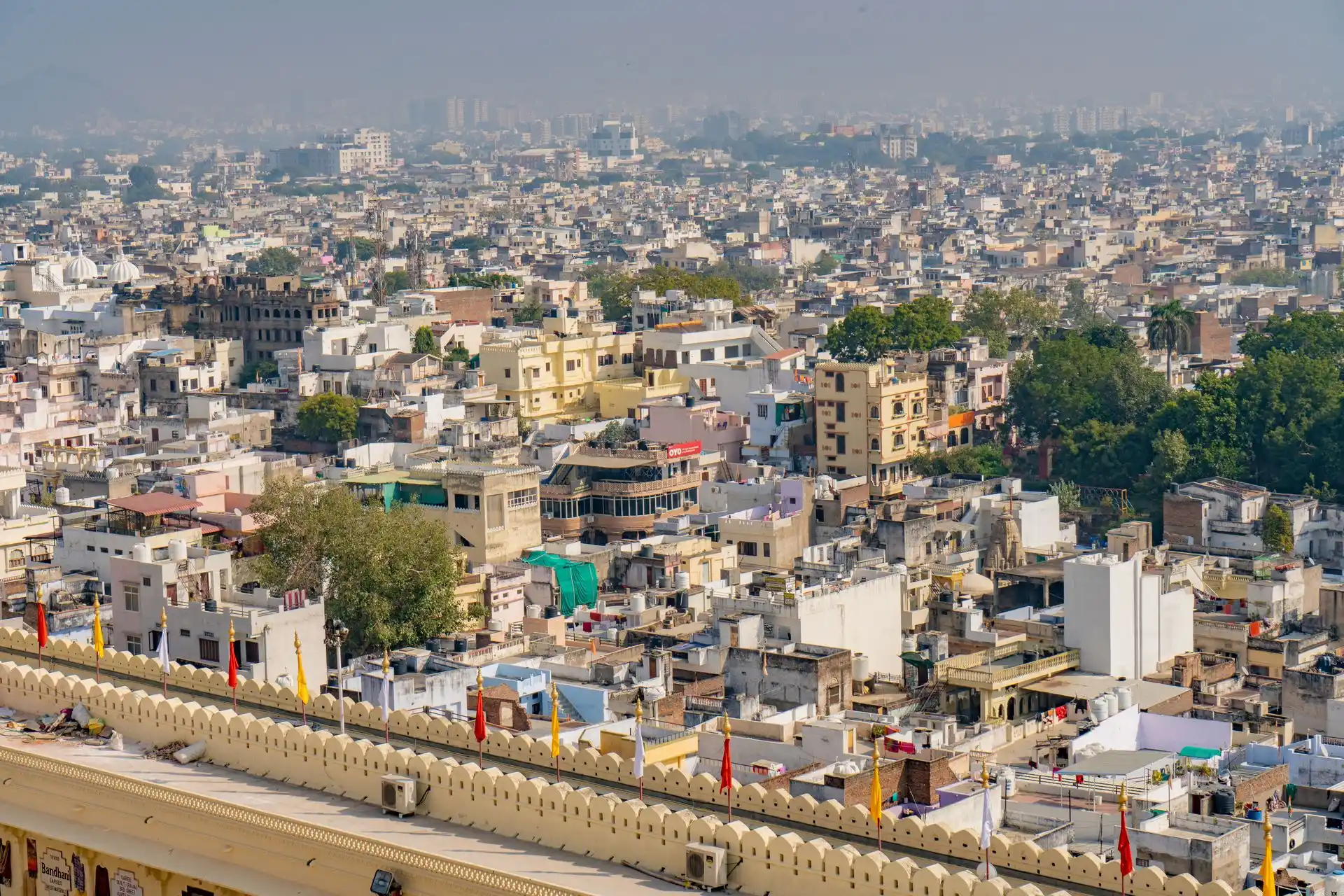
How to experience Udaipur well
The best way to approach Udaipur is not as a rush between famous points. Give it time. Walk. Sit by the water. Watch the light change. Enter the temples respectfully. Pause in the Old City rather than treating it as a route between landmarks. Allow the city to become atmospheric before it becomes efficient.
If you do that, Udaipur becomes more than a destination. It becomes a mood, a texture, and a memory that feels strangely personal.
Final thought
Udaipur offers beauty immediately, but its deeper reward comes from attention. The more patiently you move through it, the more it gives back. That is why so many travelers leave with the feeling that they did not just see the city. They heard it.
If this is your first introduction to Udaipur, let it be a simple one: come for the lakes, stay for the stories, and leave with more of Mewar in you than you expected.