The most rewarding walk in Udaipur is a conversation between power, faith, and memory
There are cities best understood by driving across them. Udaipur is not one of them. Here, some of the most meaningful experiences sit close together, waiting to be discovered on foot. Begin with royal architecture at City Palace, step into devotion at Jagdish Temple, and then let the Old City absorb you into its slower, layered world.
City Palace: where stone and sky weave a royal dream
"I am City Palace, where stone and sky weave a royal dream."
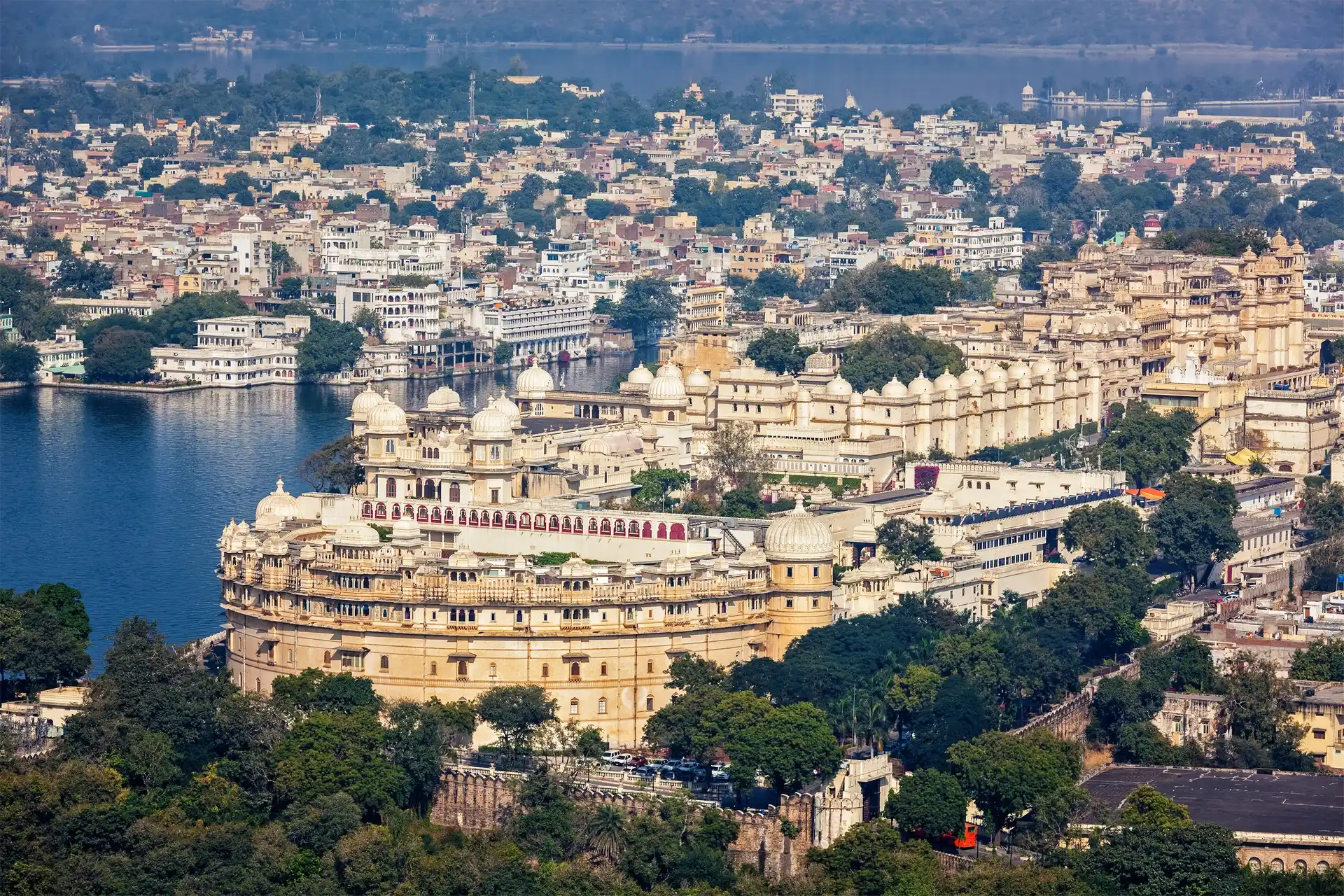
City Palace is not simply one monument. It is an accumulation of rulers, ambitions, additions, and refinements over time. That is part of what makes it so compelling. It grew with the generations, and it still carries that feeling of expansion, detail, and evolving grandeur.
Standing along the eastern banks of Pichola, the palace commands one of the greatest visual relationships in Udaipur: architecture and water answering each other. Inside, marble surfaces, mirror work, courtyards, carved balconies, and spaces like Mor Chowk and Sheesh Mahal build a world that feels both ceremonial and deeply artistic.
What to notice inside City Palace
- The way light moves across marble and reflective surfaces
- Peacock mosaics and decorative details that reward close attention
- Terraces that turn the city itself into part of the palace experience
- The sense that this is not a frozen site, but an evolving expression of Mewar's identity
Jagdish Temple: devotion at the center of the city
Walk onward and the rhythm changes. Jagdish Temple does not overwhelm through scale alone. It moves through devotion, stone craft, sound, and continuity. Built by Maharana Jagat Singh in 1651, the temple remains one of the spiritual anchors of Udaipur.
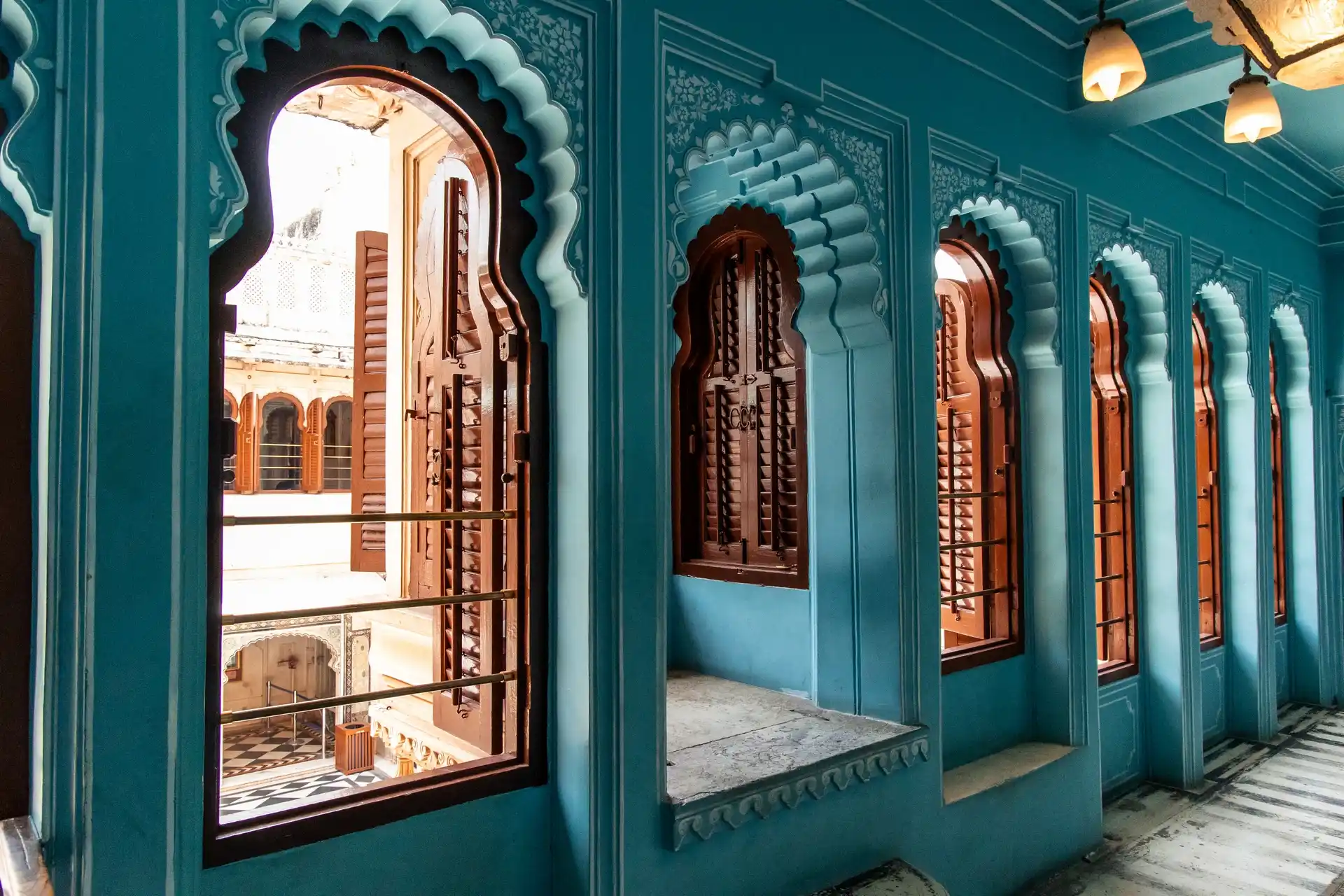
Its Panchayatan layout, smaller shrines, carved figures, elephant forms, steps, arches, and rising shikhar create not just a structure, but a lived sacred environment. This matters. Jagdish Temple is not a relic detached from the present. It remains full of motion: folded hands, bells, sunrise light, and daily reverence.
Why Jagdish Temple matters on this walk
- It balances the royal world of City Palace with spiritual depth
- It reveals how devotion remains central to Udaipur's identity
- It adds sound and ritual to an otherwise visual heritage experience
The Old City: where time transforms instead of disappearing
"Udaipur's Old City, where time does not fade, it only transforms."
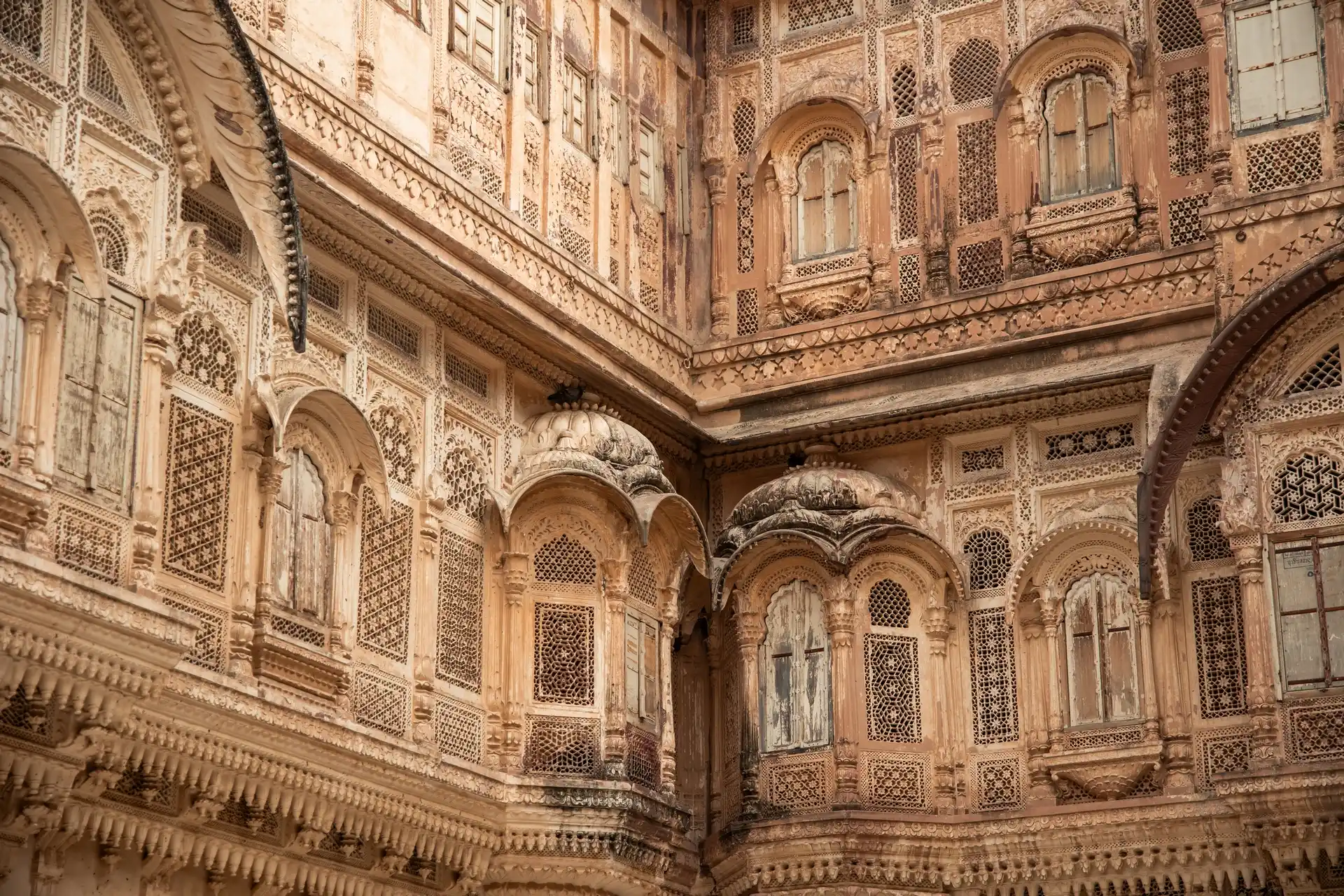
Once you enter the Old City lanes, the experience becomes more intimate. This is where monumental history becomes textured history. Narrow streets carry frescoes, carved doors, jharokhas, courtyards, shops, chai conversations, small altars, rooftop views, and buildings that have not forgotten what they were.
The Old City is important because it is not preserved into silence. It is still alive. Historic havelis become heritage hotels. Artisan traditions continue through miniature painting, jewelry, textiles, and everyday commerce. Gangaur Ghat and Lal Ghat connect the city to the lake, but also to a rhythm of ritual, meeting, and memory.
How to walk this part of Udaipur well
- Start early if you want quieter palace and temple moments
- Give yourself time to pause instead of only moving landmark to landmark
- Look up often; some of the Old City's best details are above eye level
- Let the walk include small discoveries, not only famous stops
One walk, three identities
What makes this heritage route exceptional is how clearly it reveals Udaipur's inner structure. City Palace shows the imagination of rule. Jagdish Temple reveals the depth of devotion. The Old City carries the everyday endurance of culture. Together, they form one of the most complete experiences a traveler can have in Udaipur.
If you want to feel the city rather than only photograph it, begin here.